Fines for Illegal Dumping in Chiswick: What Residents Must Know
If you live in Chiswick, you have probably seen it at some point: a broken wardrobe left near a lamp post, black sacks piled beside a hedge, or renovation waste dumped in a quiet side street overnight. It is frustrating, messy, and very often expensive for someone. Fines for illegal dumping in Chiswick are not just a headline issue; they affect residents, landlords, tenants, businesses, and anyone arranging a clearance the wrong way.
This guide explains what illegal dumping means, how penalties generally work, what residents should watch out for, and the simple steps that can save time, money, and a lot of hassle. Truth be told, most problems start with confusion rather than bad intent. So let's clear it up properly.
Contents
- Why fines for illegal dumping in Chiswick matter
- How the fines and enforcement process works
- Key benefits of staying compliant
- Who this is for and when it matters most
- Step-by-step guidance for residents
- Expert tips to avoid penalties
- Common mistakes to avoid
- Tools, resources and practical recommendations
- Law, compliance and best practice
- Options and comparison table
- Real-world example
- Practical checklist
- Conclusion
- Frequently asked questions
Why Fines for Illegal Dumping in Chiswick: What Residents Must Know Matters
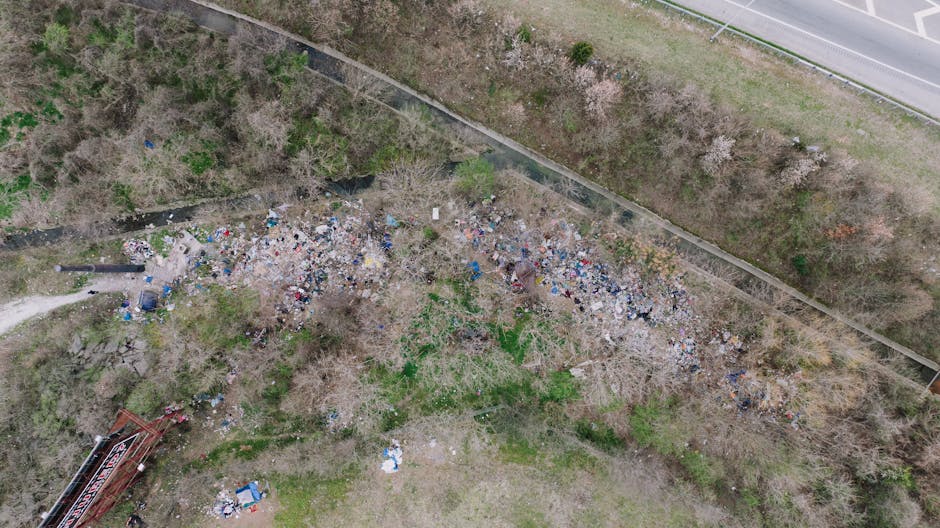
Illegal dumping, also called fly-tipping, is more than an eyesore. In a place like Chiswick, where pavements, residential streets, shared bins, and small front gardens all sit close together, a single dumped load can create a chain of problems. It can block access, attract pests, cause odours, and make an otherwise tidy street feel neglected.
The risk is not only for the person who leaves waste behind. Residents can also become involved if waste is found near their home, if they hand rubbish to the wrong person, or if they fail to check whether a collector is licensed and trustworthy. That last part catches people out more often than you might think. A quick favour to a man with a van can turn into a very costly mistake.
Fines matter because they are part of a wider system of responsibility. Waste has to be stored, transported, and disposed of properly. If it is not, the person responsible can face enforcement action, and the wider community pays the price through cleanup costs and nuisance. Nobody wants that happening outside their front window on a damp Tuesday morning.
Practical takeaway: If you are arranging clearance in Chiswick, treat waste disposal as carefully as you would treat a parking fine, a tenancy clause, or a contract. Small shortcuts tend to become big problems.
How Fines for Illegal Dumping in Chiswick: What Residents Must Know Works
In simple terms, enforcement usually starts when dumped waste is discovered and an authority investigates who may be responsible. That could involve items with addresses on them, witness statements, vehicle details, CCTV, or patterns around how the waste was left. There is no neat little trick to it. It is often a mix of common sense, evidence, and follow-up.
Penalties can vary depending on the circumstances. In many cases, authorities issue fixed penalties for lower-level offences, while more serious cases can lead to prosecution and much heavier consequences. The exact outcome depends on factors such as the amount of waste, the type of waste, whether the dumping was deliberate, and whether hazardous materials were involved.
Here is the part people sometimes miss: even if you did not personally place waste on the ground, you can still be drawn into an investigation if the waste can be linked back to you. For example, if paperwork, packaging, or identifiable household items are found in a dumped load, that may prompt questions. It sounds harsh, but that is the reality.
For residents, the key point is not to panic. The better approach is to keep clear records, use proper waste services, and make sure anyone removing rubbish is legitimate. If you are clearing a flat, a garage, or a loft, a structured service such as flat clearance, garage clearance, or loft clearance can help reduce the risk of mistakes and abandoned waste.
Key Benefits and Practical Advantages
Staying on the right side of waste rules gives you more than just peace of mind. It usually saves money, stress, and time, especially when you are juggling a move, renovation, bereavement clearance, or a long-overdue tidy-up.
- Lower risk of fines or enforcement: Proper disposal reduces the chance of being linked to illegal dumping.
- Cleaner neighbourhoods: Streets and shared spaces stay usable and pleasant.
- Less time wasted: You avoid repeat trips to the tip, awkward call-backs, or chasing the wrong collector.
- Better accountability: You know who handled the waste and where it went.
- Safer handling: Heavy, sharp, or awkward items are removed without leaving hazards behind.
There is also a subtle benefit people forget: good disposal habits tend to make the rest of a project feel calmer. Once the waste is sorted, the room, garden, or office suddenly looks manageable again. That moment matters, especially when the place has been cluttered for weeks and the whole thing has started to feel a bit bigger than it should.
If you are comparing clear-out options, services such as home clearance, house clearance, furniture clearance, and furniture disposal can be far simpler than trying to move bulky waste yourself in stages.
Who This Is For and When It Makes Sense
This topic is relevant to far more people than many assume. It is not just for landlords or builders. In Chiswick, illegal dumping concerns can touch anyone dealing with bulky waste, garden cuttings, office furniture, or post-renovation debris.
You should pay close attention if you are:
- moving out and clearing a property
- disposing of old sofas, cabinets, or white goods
- emptying a garage, loft, or shed
- managing waste after a small building job
- running a local business with regular waste needs
- handling a rental property between tenancies
- tidying a garden after pruning, landscaping, or storm damage
It also makes sense for anyone who has ever thought, "I'll just leave this here for now." That phrase has a habit of becoming next week's problem. And the council does not usually give points for good intentions.
Businesses have an extra layer of responsibility. Proper commercial disposal, especially for packaging, office fittings, and refurbishment waste, is easier when it is planned in advance. If that sounds familiar, business waste removal and office clearance are far safer routes than trying to improvise.
Step-by-Step Guidance
If you want to avoid illegal dumping problems, the process is not complicated. It just needs a bit of order. Here is the simplest way to approach it.
- Identify the waste type. Separate furniture, rubble, garden waste, electrical items, and general rubbish. Mixed loads are harder to handle and easier to get wrong.
- Check whether anything is hazardous. Paint, chemicals, batteries, fridges, or sharp construction waste need extra care. Don't just bundle it all together and hope for the best.
- Decide what can be reused, donated, recycled, or disposed of. A chair with life left in it is not the same as broken rubble. Sorting takes a few minutes and pays off.
- Choose a proper collection route. For larger or awkward items, use a service that is set up for responsible disposal, not a casual drop-off arrangement.
- Keep records. Save quotes, collection details, and any receipts or confirmations. If something is ever questioned, documentation helps.
- Make sure items are not left on the street or beside bins. Even "temporarily" is risky if it looks abandoned.
- Follow up if waste is not collected as expected. Do not assume someone else will tidy up the mess. Unfortunately, that is how a lot of problems escalate.
If you are planning a larger project, it can help to start with a broader service like waste removal, then move into specialised clearance if needed. For example, renovation debris may need builders waste clearance, while a large garden tidy-up may be better handled through garden clearance.
Expert Tips for Better Results
After dealing with enough clearances, one thing becomes obvious: people usually get into trouble when they rush the waste stage. They are focused on the move, the decorator, the new furniture, the deadline. The waste gets treated like an afterthought. That is where the trouble creeps in.
- Ask who is taking the waste and where it is going. A proper answer should sound clear, not vague.
- Keep waste separate where practical. Wood, cardboard, green waste, and general clutter are easier to manage when sorted.
- Take photos before collection. It is simple, but useful if you later need to show what was removed.
- Be wary of cash-only, no-paperwork offers. Cheap often turns expensive later.
- Do not let rubbish sit outside overnight unless it is officially scheduled for collection. Weather, wind, and opportunists can make a bad situation worse.
- Use professional help for bulky or awkward items. Old wardrobes, mattresses, office desks, and dismantled fittings are rarely worth the back pain.
One small but useful habit: ask for a collection window and a clear description of the service. If the arrangement is fuzzy, that is your sign. Simple as that. Well, simple-ish.
Common Mistakes to Avoid
Most illegal dumping cases start with ordinary mistakes rather than deliberate fly-tipping. The following issues come up again and again.
- Leaving waste beside communal bins: If it is not inside the bin or collected properly, it can be treated as dumped waste.
- Handing waste to an unverified collector: If they dump it later, you may still be asked questions.
- Mixing household and construction waste: Different waste streams often need different handling.
- Assuming "someone will deal with it later": Later is where fines begin.
- Ignoring old paperwork or packaging: Personal documents or labels in a dumped load can link waste back to you.
- Overfilling private bins: Overflowing waste can spill into the street and create a nuisance.
There is also a quiet mistake people make when clearing family homes or inherited property: they assume the job ends once the obvious items are gone. In reality, the final sweep is where things like broken appliances, loft clutter, and half-empty paint tins often surface. That last look matters.
Tools, Resources and Recommendations
You do not need fancy tools to avoid illegal dumping issues, but a few practical habits make life much easier.
- Phone camera: Useful for recording condition, collection date, and what was removed.
- Notes app or paper checklist: Helps you track what should go, what stays, and what needs specialist handling.
- Labels or coloured bags: Handy for sorting items before collection day.
- Access planning: Check whether vans, lifts, stairwells, or shared hallways will affect the job.
- Quote comparison: Compare what is included, not just the headline price.
For practical disposal planning, it can also help to review a company's service pages and policy pages so you understand how they work. For example, pricing and quotes is useful if you want clarity before booking, while recycling and sustainability is a good sign that waste is being handled responsibly.
If payment, insurance, or complaints are on your mind, those details matter too. A sensible provider should make their approach easy to understand through pages like payment and security, insurance and safety, and complaints procedure. It is not glamorous reading, but it tells you a lot.
Law, Compliance, Standards, or Best Practice
Waste disposal in the UK is regulated, and residents should assume that proper care is required even for apparently minor clearances. You do not need to memorise the law to act responsibly, but you should understand the basic principle: if you generate waste, you remain responsible for handling it properly until it is in the hands of a legitimate collector or disposal route.
That means checking the basics, using written records where possible, and not relying on informal promises. Good practice also includes separating recyclables where practical, keeping access clear for collection, and avoiding roadside storage of unwanted items.
For households and small businesses in Chiswick, a practical best-practice standard is simple: if you would not be comfortable explaining how the waste was handled, the arrangement probably needs improving. That rule is surprisingly effective.
For company owners, there is an added responsibility to make sure commercial waste is collected and stored appropriately. If your premises are being cleared, it may be worth pairing one-off removal with a structured service such as business waste removal or a more focused office clean-out.
Options, Methods, or Comparison Table
Different disposal methods work better for different situations. The right choice depends on volume, urgency, access, and the type of waste involved.
| Option | Best for | Pros | Watch out for |
|---|---|---|---|
| Self-haul to a facility | Small, manageable loads | Direct control, can suit flexible schedules | Time-consuming, access/vehicle limits, easy to mix waste incorrectly |
| Ad hoc informal collector | Very limited cases only | May seem cheap at first | Highest risk if they dump waste later or provide no paperwork |
| Professional waste removal | Most household and business clearances | Cleaner process, reduced risk, easier record-keeping | Costs more than "do it yourself" on paper, though often better value |
| Specialist clearance service | Bulky, mixed, or awkward waste | Useful for furniture, garages, lofts, gardens, and offices | Needs accurate job description so the right vehicle and crew are sent |
To be fair, the cheapest option is not always the cheapest once the risks are counted in. One missed detail, one abandoned load, one complaint from a neighbour, and suddenly the saving feels pretty thin.
Case Study or Real-World Example
Imagine a resident in Chiswick clearing a spare room before a tenant move-in. There is a worn mattress, two broken chairs, and several black bags of old household clutter. Wanting it done quickly, they ask a casual collector who is already in the street with a van. No paperwork, no receipt, no clear explanation of disposal. The waste is taken away, and the resident thinks the job is finished.
A few days later, bags of matching waste appear in a nearby lane. Some documents inside link back to the original property. Now the resident is answering questions, even though they did not personally dump anything in the lane. It is a classic messy chain of events. Nobody likes that kind of surprise, especially when it starts with a simple room clear-out.
The better approach would have been to use a documented clearance service, keep a record of what was removed, and make sure the waste was handled as part of an organised collection. For bulky household items, something like house clearance or furniture disposal would have been far more sensible.
Practical Checklist
Use this quick checklist before any disposal or clearance in Chiswick:
- Have I identified exactly what needs removing?
- Have I separated items that may need special handling?
- Do I know who is collecting the waste?
- Have I checked that the service is suitable for the volume and type of waste?
- Have I kept photos or notes of the items?
- Will anything be left on the street, pavement, or beside bins?
- Do I have confirmation, receipt, or booking details?
- Is the access route clear for safe collection?
- Could any item be reused, donated, or recycled first?
- Would I be comfortable explaining this arrangement if someone asked later?
Quick reminder: if the answer to the last question is no, pause and tidy up the plan. A small delay is far better than a fine.
Conclusion
Fines for illegal dumping in Chiswick are really about responsibility, not just punishment. If you know how waste should be handled, keep a record of what is removed, and choose the right disposal route, you can avoid most of the common pitfalls. That protects you, your neighbours, and the streets you use every day.
Whether you are clearing a single room, a whole property, or a work site after renovation, the safest move is usually the most organised one. Keep it simple. Keep it traceable. And if in doubt, choose the cleaner path rather than the quicker-looking one.
If you are ready to sort out unwanted items properly, learn more about the available services, check the process, and make the next step an easy one.
Get a free quote today and see how much you can save.
Sometimes the best thing you can do for a cluttered space is give it a proper start, then let the rest fall into place.
Frequently Asked Questions
What counts as illegal dumping in Chiswick?
Illegal dumping usually means leaving waste in a place where it should not be left, including pavements, alleyways, verges, beside bins, or private land without permission. It can include household rubbish, furniture, building debris, and garden waste.
Can I be fined if someone else dumped waste from my property?
Potentially, yes, if the waste can be linked back to you or if you failed to use a legitimate disposal route. That is why records, receipts, and careful vetting matter so much.
Are small piles of rubbish treated the same as large fly-tips?
Not always. Penalties can vary depending on the size, type, and circumstances of the waste. Even small piles can still cause problems if they are left in public or appear abandoned.
How do I avoid getting caught up in a dumping investigation?
Use a reputable collector, keep documentation, take photos before removal, and avoid informal "no paperwork" arrangements. It is a bit boring, but boring is good here.
What should I do if I find dumped waste near my home?
Do not move sharp, heavy, or suspicious items yourself. Record what you can safely see, note the location, and report it through the appropriate local route. If the waste looks hazardous, stay clear.
Is it risky to leave rubbish beside a bin for collection day?
Yes, it can be. If waste is not collected as intended, it may be treated as dumped or abandoned waste, especially if it spills out, blocks access, or remains there longer than expected.
Do I need special help for old furniture or bulky items?
Usually, yes. Large furniture is awkward to move and can easily end up stored outside longer than planned. A structured service such as furniture clearance is often the safer choice.
What is the safest option for renovation waste?
For rubble, timber, plasterboard, and mixed site waste, a dedicated builders waste clearance service is typically more suitable than trying to combine everything with household rubbish.
Can businesses face problems too?
Absolutely. Businesses have to be especially careful with waste storage, collection arrangements, and documentation. Office fittings, packaging, and refurbishment debris should be handled through proper commercial channels.
How do I know if a waste collector is trustworthy?
Look for clear pricing, a proper explanation of what happens to the waste, and sensible policies around safety, insurance, and complaints. If the arrangement feels vague, it probably is.
Is recycling always required before disposal?
Not always in a strict sense, but sorting recyclable materials where practical is a sensible best practice and often part of responsible waste handling. It usually makes collections cleaner and more efficient too.
What is the simplest way to stay compliant as a resident?
Keep waste off the street, use a legitimate collection route, store confirmation details, and avoid handing rubbish to anyone who cannot clearly explain how they will dispose of it. That alone removes a lot of risk.