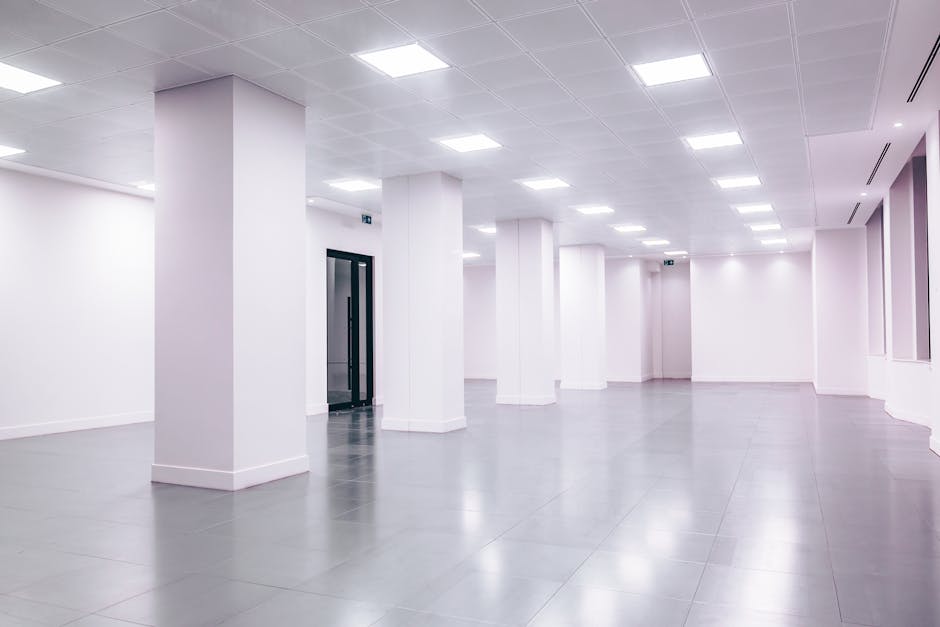
Instant Quote for Office Clearance in Chiswick Business Park

If you need an instant quote for office clearance in Chiswick Business Park, you probably want three things at once: speed, clarity, and no nasty surprises. Fair enough. Office moves, refits, downsizing jobs, and end-of-lease clearances can become messy fast, especially when desks, screens, filing cabinets, and old furniture start piling up in a space that still needs to function.
This guide explains how instant quoting works, what affects the price, how to prepare your office for a quick estimate, and how to choose the right clearance service without overthinking it. You will also find practical tips, a comparison table, compliance guidance, and a checklist you can actually use. The goal is simple: help you make a confident decision and get the job moving.
Why Instant Quote for Office Clearance in Chiswick Business Park Matters
An instant quote matters because office clearance is rarely just about taking items away. It is about timing, access, building rules, lift use, parking, and how quickly you can get a room back into use. In a business park environment, those details matter more than people expect. One late collection can hold up a fit-out, a landlord inspection, or a handover. And once you are balancing IT equipment, mixed furniture, and a room full of random cables, the job stops being "just a clearance" pretty quickly.
For businesses in Chiswick Business Park, speed is often tied to convenience. You may need to clear a floor after a tenancy ends, remove surplus furniture after a restructure, or empty a storage area that has quietly turned into a graveyard of old monitors and broken chairs. An instant quote helps you move from uncertainty to action without waiting days for a rough estimate.
It also helps set expectations. A clear quote can tell you what is included, what might change on the day, and whether the service covers labour, loading, transport, recycling, and any special handling. That kind of clarity saves time and reduces the back-and-forth that nobody enjoys on a Tuesday morning.
If you are comparing options, it is worth looking at the wider service pages too, especially office clearance services and pricing and quotes, because they give a fuller sense of what is usually included and how quote structures are explained.
How Instant Quote for Office Clearance in Chiswick Business Park Works
Most instant quoting systems use a quick set of details to estimate the job. You provide the basics, and the service uses those details to judge time, labour, vehicle size, and disposal costs. In plain English: the more accurate your information, the more useful the quote.
A good instant quote process usually asks about:
- the type of items to be removed
- approximate volume or number of rooms
- access details, such as lifts, stairs, loading bays, or parking restrictions
- your preferred date and time
- whether any items need special care
- if you need same-day or urgent collection
Sometimes the quote is truly immediate. Sometimes it is "instant" in the sense that the team responds very quickly after a short assessment. To be fair, that is still much faster than arranging a full site visit for every small job. For larger or more complex office clearances, a short follow-up call or photo review may be needed to confirm the final price.
In practice, the process often looks like this:
- You describe the clearance job.
- You share photos or item counts if requested.
- The team estimates labour, travel, and disposal requirements.
- You receive a quote and the likely collection window.
- If you are happy, you book the clearance.
There is one important point here: an instant quote should be clear about assumptions. If the office turns out to be larger, busier, or harder to access than described, the price may change. That is not a flaw. It is normal. The key is honesty on both sides.
Key Benefits and Practical Advantages
The main benefit is obvious: speed. But there is more to it than that. A good quote does not just save time; it helps you manage the clearance as part of a broader business move, shutdown, or refurbishment.
- Faster decision-making: You can compare costs and book without waiting around.
- Better budget control: A detailed quote reduces the risk of surprise charges.
- Less disruption: You can schedule clearance around staff hours, deliveries, or fit-out work.
- Cleaner handovers: Helpful when ending a lease or preparing a workspace for a new tenant.
- Improved compliance awareness: You can check how items are handled, recycled, or disposed of.
Another practical advantage is confidence. If a quote clearly explains what happens to office furniture, electronics, and mixed waste, you are not left guessing. And let's face it, nobody wants to spend half a day asking, "Does that include loading?" or "What about the broken drawer unit in the corner?"
For businesses that also need to remove general rubbish or mixed non-office waste, it can help to compare office clearance with broader business waste removal and waste removal options so you choose the right service for the job.
Who This Is For and When It Makes Sense
This type of service is useful for a surprisingly wide range of situations. It is not just for large corporate offices. Smaller businesses, co-working spaces, and professional practices can all benefit from a quick quote when they need to clear items efficiently.
It makes sense if you are:
- moving out of an office in Chiswick Business Park
- refreshing a workspace after a redesign
- replacing desks, chairs, and storage units
- clearing surplus items after a downsizing
- preparing for a landlord inspection or lease end
- disposing of old office furniture in a controlled way
Some jobs are simple. Others are awkward in the best possible way - the kind where there are three filing cabinets, a dozen office chairs, a few bulky screens, and one mysterious box labelled "spares" from 2019. An instant quote helps you make sense of the lot without turning the first conversation into a full audit.
If your job includes desks or seating that could be reused elsewhere, it may also be worth reviewing furniture clearance and furniture disposal options, especially where you want a mix of reuse, recycling, and removal.
Step-by-Step Guidance
If you want the fastest and most accurate quote possible, a little preparation goes a long way. You do not need to create a spreadsheet masterpiece. Just gather the key facts.
1. List the items to be removed
Write down the major items first. Desks, chairs, cabinets, shelving, reception furniture, screens, and IT peripherals. If the office has a storage room, note that too. Storage rooms always look smaller from the doorway than they do once the lifting begins.
2. Estimate volume honestly
Try to describe the job in terms that are easy to visualise. One room of mixed office furniture is different from a half-floor or a full floor clearance. If you are unsure, photos can help. Good photos usually show the layout, the amount of furniture, and any access issues.
3. Check access before you request the quote
Access can affect price and timing. Think about stairs, lifts, loading points, parking, security desks, and how far items need to be carried. In a business park, a short walk from loading bay to vehicle can still change labour time more than you might expect.
4. Mention fragile or specialist items
If the clearance includes server racks, glass furniture, heavy cabinets, or anything awkward to dismantle, say so. The clearer your description, the fewer misunderstandings later.
5. Ask what the quote includes
Do not be shy about this. Ask whether the price covers labour, transport, loading, disposal, recycling, and VAT if relevant. A transparent quote should answer these points without making you chase people twice.
6. Confirm the timing
If you need a same-day collection, early-morning arrival, or work outside office hours, mention it upfront. Sometimes the quote is fine but the schedule is not. Better to know that before everyone has moved furniture into the corridor.
7. Book and prepare the space
Once booked, clear a route where possible, separate anything staying behind, and make sure any key holder or site contact is available. Small preparation can make the job feel much calmer on the day.
Expert Tips for Better Results
There are a few small things that can make a big difference to both the price and the smoothness of the job.
- Take wide-angle photos. A few useful images beat a long, vague description every time.
- Group items by type. Keep furniture, electronics, and loose waste separate if you can.
- Ask about reusability. Some items may be better handled through reuse or recycling rather than disposal.
- Be honest about access. If there is a tight stairwell or a busy loading bay, say so early.
- Allow a little flexibility. Business park traffic, building security, and lift access can all affect timing.
One practical tip that saves headaches: keep a simple "do not remove" zone marked clearly before the team arrives. Even a couple of taped signs can stop accidental collections. Sounds basic, but it works.
If sustainability matters to your team, look at recycling and sustainability to understand how responsible handling of office items is approached. And if you want to understand the company background before booking, the about us page can be useful as a trust check.
Common Mistakes to Avoid
Most issues with office clearance quotes come from missing information rather than bad service. The quote itself is only as good as the details behind it.
- Underestimating how much needs removing: A few extra filing units can change the job more than you think.
- Forgetting access details: No lift, narrow corridor, or restricted parking can alter the quote.
- Mixing items you want to keep with items to be cleared: This one causes avoidable confusion.
- Not checking what is included: Always ask whether labour and disposal are covered.
- Leaving it too late: Last-minute bookings can still work, but options may be tighter.
There is also a softer mistake: assuming all office clearance jobs are identical. They are not. A small professional suite with ten chairs is a very different job from a multi-room clearance with cupboards, monitors, and bulky furniture stacked in storage. That distinction matters for the quote.
Tools, Resources and Recommendations
You do not need fancy tools, but a few simple things make the quoting process much smoother.
- Phone camera: Use it to capture each room and any tricky access points.
- Quick inventory note: A basic list of items is often enough.
- Measuring tape: Helpful if you are unsure whether large desks or cabinets will fit through exits.
- Floor plan or room list: Useful in bigger offices where multiple spaces are involved.
If your project includes mixed commercial rubbish alongside furniture, it can be useful to compare with business waste removal so you know whether you need one service or a combined approach. For residential-style clearances linked to staff relocations or small office homes, the site also offers relevant pages such as home clearance and house clearance, which can be useful reference points when you are comparing service scope.
If you are dealing with bulky furniture in a side room or storage area, it is sometimes worth checking loft clearance and garage clearance style services too, because they often share the same kind of access and loading considerations.
Law, Compliance, Standards, or Best Practice
Office clearance is not just a practical task; it also carries compliance responsibilities. You do not need to become a legal expert, but you should know the broad expectations.
In the UK, businesses are generally expected to handle waste responsibly, separate recyclable materials where appropriate, and make sure items are passed to a reputable operator. For office clearances, that matters most where electronic equipment, confidential material, or mixed waste streams are involved. If you are clearing out a workspace with documents, storage media, or devices that may contain sensitive information, it is wise to treat the process carefully and plan for secure handling.
Best practice usually includes:
- checking that the service provider explains how waste is handled
- keeping any confidential paperwork separate from general furniture
- confirming insurance and safety arrangements
- making sure the team understands building access rules
- reviewing terms before booking, especially for larger jobs
It is also sensible to check the provider's public policies. Pages such as health and safety policy, insurance and safety, terms and conditions, and payment and security can help you understand the standards behind the service before you commit.
For business clients especially, that reassurance matters. Nobody wants a clearance to create a new problem after the old problem has left the building.
Options, Methods, or Comparison Table
Not every clearance needs the same approach. Depending on urgency, volume, and the type of items, you may prefer one method over another. Here is a simple comparison.
| Method | Best for | Typical strengths | Possible drawback |
|---|---|---|---|
| Instant online quote | Straightforward office clearances with clear item lists | Fast, convenient, easy to compare | May need follow-up for complex access or larger jobs |
| Photo-based estimate | Mixed furniture and moderate volumes | More accurate than text alone, still quick | Depends on photo quality and completeness |
| Site visit before booking | Large offices or awkward access | Most detailed assessment | Takes longer, less immediate |
| Full managed clearance plan | Moves, refits, or end-of-lease projects | Better coordination and scheduling | More planning involved |
The best choice depends on how much certainty you need. For a small to mid-sized office in Chiswick Business Park, an instant quote or photo-based estimate is often enough. For a more involved clearance, a short follow-up discussion can improve accuracy. That is usually the sensible middle ground.
Case Study or Real-World Example
Picture a small consultancy in Chiswick Business Park preparing to vacate part of its floor. The team has a few desks to remove, several task chairs, two storage cupboards, and a pile of old presentation screens. Nothing dramatic, but enough to block the move if left untouched.
They start with photos from the main room, the storage area, and the corridor leading to the lift. They note the loading bay rules, the preferred collection window, and the fact that one cupboard will need dismantling before removal. The quote comes back quickly because the service has enough detail to estimate labour and access requirements without guessing. No drama, no chasing. Just a clear figure and a practical plan.
On the day, the team marks what is staying, clears the route, and keeps the file archive separate. The clearance is done in one visit, and the space is ready for cleaning and handover that afternoon. Simple. Not glamorous, but very effective. That is what a good instant quote should make possible.
Practical Checklist
Use this before requesting your quote. It will save time and reduce the chance of back-and-forth later.
- List the items to be cleared
- Count rooms or work areas involved
- Photograph the space from a few angles
- Note lifts, stairs, parking, and loading access
- Identify anything fragile, heavy, or awkward
- Separate items to keep from items to remove
- Ask what the quote includes
- Check the collection timing
- Review relevant policies and terms
- Book a date that fits your business schedule
Expert summary: the best instant quote is not the fastest one alone; it is the one that is quick and accurate enough to avoid surprises on the day. In office clearance, good information is the real shortcut.
Conclusion
Getting an instant quote for office clearance in Chiswick Business Park should feel like a helpful first step, not another admin headache. When the quote is clear, the scope is sensible, and the access details are properly understood, the whole job becomes easier to plan and easier to trust.
If you take away one thing, let it be this: preparation makes the quote better, and the quote makes the clearance smoother. That small bit of effort upfront can save hours later, especially when office space is tight and deadlines are already breathing down your neck.
Get a free quote today and see how much you can save.
For a final bit of reassurance, it is worth learning more about the company behind the service through the contact us page and the available pricing and quotes information. A good clearance service should make the process feel straightforward, steady, and oddly enough, a little lighter than you expected.
Frequently Asked Questions
How quickly can I get an instant quote for office clearance in Chiswick Business Park?
In many cases, you can get a quote very quickly once you provide item details, access information, and rough volume. If the job is straightforward, the estimate may come back almost immediately. Larger or more complex offices may need a short follow-up.
What information do I need to request a fast office clearance quote?
Usually you will need a list of items, approximate quantity, office size, access details, and your preferred date. Photos are often very helpful. The more precise the information, the better the estimate tends to be.
Does an instant quote mean the final price cannot change?
Not always. An instant quote is based on the information provided. If the actual job turns out to be larger, heavier, or harder to access than described, the price may need adjusting. That is normal and should be explained clearly.
Is office clearance different from general waste removal?
Yes, often it is. Office clearance usually focuses on furniture, equipment, and workplace contents, while general waste removal may cover a broader mix of materials. Some jobs overlap, so it can help to compare both options before booking.
Can you clear office furniture as well as general rubbish?
Usually yes, though the exact scope depends on the service and the items involved. Furniture, loose waste, and mixed office contents are commonly handled together when described properly in advance.
What affects the price of office clearance the most?
Volume, access, labour time, item type, and any special handling requirements are the main factors. A fifth-floor office with no easy loading access will usually take more time than a ground-floor space with direct vehicle access.
Should I separate confidential documents before the clearance?
Yes, that is a sensible step. Confidential paperwork, storage media, and sensitive items should be identified and handled carefully. If in doubt, keep them separate and ask how they should be managed.
Can I book a same-day office clearance?
Sometimes yes, depending on availability and the size of the job. Same-day bookings are easier when the items are clearly described and access is straightforward. If the clearance is large, advance notice usually helps.
What if my office is still partly in use?
That is common. The key is to clearly mark what stays and what goes, and to make sure staff know the plan. A mixed-use space can be cleared efficiently if everyone is on the same page.
How do I know if the service is suitable for my business?
Check whether the service can handle your volume, access conditions, and timing. Reviewing the company's about us, insurance and safety, and health and safety policy pages can also help you judge whether it feels like a fit.
Do I need to be on site during the clearance?
Not always, but someone responsible should be available to confirm access, answer questions, and verify what is being removed. For busy office environments, that person is often a facilities lead, office manager, or building contact.
What should I do before the team arrives?
Clear walkways where possible, separate keep items from remove items, and make sure access instructions are ready. If there are loading bay rules or building security checks, have those details to hand. It makes everything run more smoothly, honestly.